
Norman, Oklahoma / Moore / Oklahoma City / Surrounding Areas / Person-to-Person / Virtual / Phone
Home, Life & Care Organizing Services for People in the Second Half of Life

Your time, energy and attention are your greatest resources.
Life is too short to waste any more time on clutter, disorganization, or “the right way” strategies that don’t work for you any more - or maybe never worked for you at all.
We can help you create the freedom, calm and clarity you deserve, so you can make the most of every day.
Contact us with some times and dates you’re available for a call, and we’ll reply with an appointment time within one business day - or sooner.
✔️ Release the clutter and chaos that frustrate you and steal your time and energy.
✔️ Create simple strategies and practices that free you to focus on what matters most to you.
✔️ Be ready for the surprises life brings your way, for your sake and for those you love.
“I can’t believe all we accomplished in just a couple of days - and especially in those last two hours. I can’t stop looking around my house… I can’t believe this is the same place. It feels like a fresh start. It IS a fresh start.” - Melissa W., 55

You can create a home and a life that are orderly and calm, with simple systems that work with your brain, your personal “flow,” your life’s unique demands and responsibilities.
We can help you design simple systems that work for you on your busiest days, so you can enjoy your life more, relax and focus on what matters most.

Staying on top of your digital accounts, files and paperwork may feel impossible. It doesn’t have to be!
We can help you overcome the overwhelm in hours or days, not weeks or months - even if you’ve lost hope that you’ll ever get your desk, your computer and your files organized.

Are you an overwhelmed caregiver? We can help you “audit” and evaluate your unique situation and identify solutions that work for you and those you love.
Are you a parent who wants to spare your adult children anxiety and conflict if/when your become ill, injured or worse? We can help you create a Peace of Mind Plan in just a few hours.

Working with a professional organizer can transform your life.
Working with a professional organizer can be a radical act of self care that shifts the trajectory of your life and pays dividends daily and over time:
Live life with less friction and more peace
Let go of the past and move into the future you deserve
Focus on joy, purpose, relationships and meaning - now
Save time, money, energy, and avoid anxiety and overwhelm in the future
Channel your physical, mental and emotional energy into what matters most
Be ready “in the now,” for life as it rises up to meet you, often unexpectedly
“I will be forever grateful for everything you did to help me declutter and organize my house and my office, and to make the things I do every day so much easier. It is already making all the difference with my fibromyalgia. And that’s just a small part of what I gained from working with you. I can’t thank you enough.” - Heather K., 52

We are…
Heartful Transitions is a personal organizing, productivity and planning enterprise focused on supporting people in midlife and beyond.
Our mission is to empower our clients to make the most of their time, energy and attention, so they can live the life they want in the way they want, while they plan and prepare for the future with love and wisdom.
“Go confidently in the direction of your dreams! Live the life you've imagined. As you simplify your life, the laws of the universe will be simpler.”
―Henry David Thoreau

We are not here to judge.
We’re here to support.
We are trauma-informed, “spoonie” sensitive, and neurodivergence aware and celebratory. (Our lead organizer is a spoonie with ADHD!)
We are compassionate and judgment-free - and our services can be 100% confidential, within safety parameters.
Schedule a free consultation now to learn more about how Heartful Transitions can help you break free of overwhelm and make the most of your life.
“Thank you so much! I’ve always been disorganized, and I do not want my daughters to go through what I went through when my mom died. I know now that they won’t, and I wake up every morning loving my house, too!” - Mary Catherine, 63
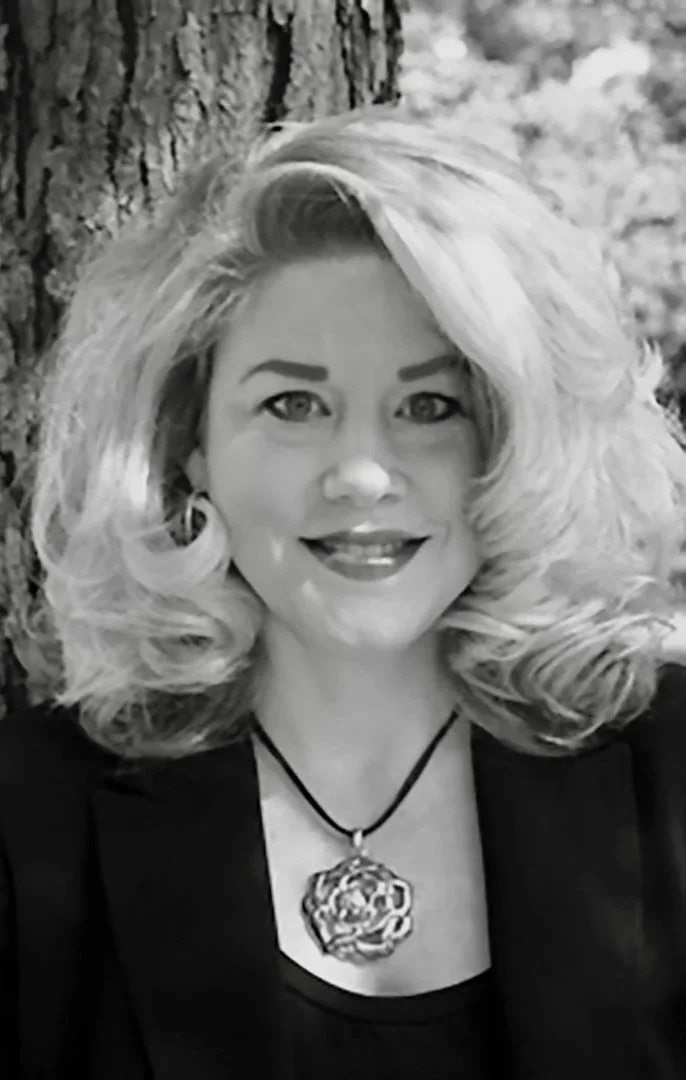
About Lead Organizer, Michelle Rae
Michelle Rae is a professional organizer, end-of-life doula, family caregiver (of decades), RN, and certified life planning specialist with the International Doula Life Movement. A neurodivergent person (ADHD) and “spoonie” who has overcome chronic disorganization, she brings both lived and professional experience to her work helping people experience the peace of mind and freedom that can only come when you “organize and plan for the life you want with the brain and body you have now.”
“Our deepest wishes are whispers of our authentic self. We must learn to respect them. We must learn to listen.” - Sarah Ban Breathnach
3 Ways to Work Together…!

Local & In-Person
We can work together in your home or office, often with the help of an assistant or a friend or family member, to declutter and/or organize rapidly.
This can be a great opgtion for short-term, high-impact projects where co-working is important and powerful, psychologically and emotionally.
Hybrid: In-Person & Virtual
We can start with an in-person assessment and momentum visit, making big changes in a few hours, then coaching with Google Meet and phone calls to set goals, solve problems, overcome obstacles, and get your systems established.
This can help you get started and experience rapid relief and positive change over time in a more affordable way (than doing 100% in person), at a sustainable pace that promotes lasting, deep-tissue change.
Virtual & By Phone
We can work together without ever meeting in person, via Google Meet and phone calls.
This is the most affordable option, because your professional organizing time is completely invested in high-return, strategizing, learning and accountability/support.
With this option, we can even “slice up” much of your package time into 15 and 30 minute check-in and problem-solving sessions that will keep you motivated and on track until you accomplish your goals!
Affordable Packages

$480
(6 hrs @ $80 )
$700
(10 hrs @ $70 )
$1200
(20 hrs @ $60 )
Your project process will be designed to prioritize what’s most important to you and maximize your return on investment:
Time
Money
Energy
Focus
“To be yourself in a world that is constantly trying to make you something else is the greatest accomplishment.” - Ralph Waldo Emerson
Contact Us!
Send us some times and dates you’re available for a chat, and we’ll reply soon.

Let’s chat!
Just complete this form, and we’ll respond soon to schedule your free, initial consultation.
Remember: we’re not attorneys, physicians, financial advisors, etc.!
Heartful Transitions provides educational, facilitative and organizational support only. We do not offer legal, medical, nursing, psychotherapy, or financial advice or services. We encourage our clients and their families to consult licensed professionals for guidance specific to their circumstances, whenever possible.

Diversity & Inclusivity
Heartful Transitions celebrates diversity and prioritizes inclusivity. We do not discriminate on the basis of race, color, religion, creed, gender, gender expression, age, national origin, ability or disability, marital status, sexual orientation, family design, political affiliation, or military status.